


The star has handed over the full amount of his twenty-five thousand pound Mercury Prize cash to the MVT, which works to protect the UK's grassroots live music spots.
Fender was given the prize on 16 October as his third album his work was declared the best record of the last 12 months.
The musician has chosen to donate the funds to the MVT, in acknowledgment of the vital role small stages had in his beginning days.
"I would not have achieved this success if it wasn't for all the shows I performed around the area, and elsewhere, when I was starting out," said Sam Fender. "These locations are renowned, but they are in difficulty."
Since the start of 2023, over 150 of these spaces have permanently closed – roughly one-sixth of the whole industry in the UK.
In the last year, top acts including Pulp, Coldplay, Katy Perry and Ed Sheeran have all backed the Music Venues Trust in its initiatives to help venues survive, by including a small levy to their ticket costs, which goes to help local stages.
He also joined in, raising more than £100,000 on his live tour to help numerous grassroots venues across England, Scotland, and Wales.
These funds assisted locations that were facing imminent closure due to difficulties stemming from floods, fires and bereavements, as well as licensing issues, legal disputes and sound issues.
Some locations received monetary aid in upgrading infrastructure and gear that helped artists and fans.
"The idea that money from shows in large arenas helps the independent spots, where it begins for performers like me, is just logical," Sam Fender has said.
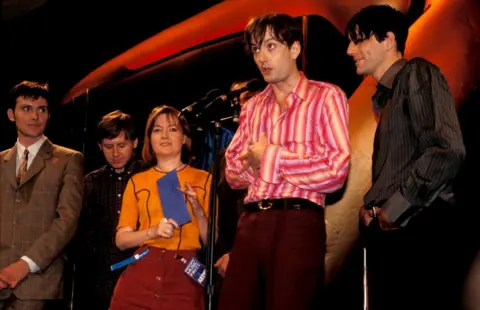
Fender is not the first artist to contribute his Mercury Prize funds to charitable organizations.
In the band won the trophy in the mid-90s for their release Different Class, vocalist Cocker stated that the group would contribute their winnings to the charity the charity.
In 2002, artist she split her bounty among a few organizations, such as the children's charity and a Sickle Cell charity.
"And I contributed a £1,000 to the center, to their gymnastics program, because I trained in gymnastics when I was growing up and they required updated gear," she shared with a publication.
Previously, they donated their funds to the youth organization that nurtured their group, as well as other independent music bodies.
Additionally winners that year the group contributed their award to a multiple sclerosis charity after a friend was found to have the illness.
"The victory was quite enough," remarked vocalist the singer. "The prize was the cherry on top but we could do without the bonus, because we had the honor. So our success touched another person's life."
Recently, the trust shared it had protected two small stages in south-east England, by bringing them into community ownership.
One venue in Southampton and The Croft in that location were bought under the public acquisition initiative, which is backed by a national body and music fans who acquire "ownership units" in the buildings.


